
The right wheelchair can make a real difference to your comfort, independence and everyday life, but getting a wheelchair prescription in NSW involves more than browsing a catalogue. At Mogo Wheelchairs, our family-owned Bankstown team has been helping people through this process since 1980, working alongside occupational therapists, support coordinators and families. This guide walks you through each step, from recognising the need to funding, fitting and ongoing support.
Key Takeaways
- In NSW, a wheelchair prescription usually starts with an assessment by an occupational therapist (OT). It is followed by trials with a supplier, a detailed quote and, where relevant, a funding application.
- The right wheelchair, whether a manual chair, a power or power-assist setup, or a custom-seated chair, should support your posture, comfort and independence in everyday life.
- Mogo Wheelchairs is a registered NDIS provider (provider number #4050002020). We help with quotes and documentation and coordinate with your occupational therapist.
- Funding options other than the NDIS may include EnableNSW, DVA, private health insurance rebates and self-funding with payment plan options. Rules and timeframes vary from person to person.
- If you are in Sydney or wider NSW, call us on 02 9708 5255 or visit our Bankstown showroom to trial wheelchairs and get started.
How Wheelchair Prescription Works in NSW
A wheelchair prescription is a clinical recommendation, usually made by an occupational therapist, that matches a person's body, needs and everyday environments to the right equipment. It looks at your physical abilities, daily activities, home layout and how you get around the community.
The typical journey in NSW looks like this:
- Talk to your GP, specialist, support coordinator or OT about your mobility.
- Have an occupational therapy assessment.
- Trial wheelchairs with a supplier.
- Get a quote and supporting documentation.
- Apply for funding where relevant (NDIS, EnableNSW, DVA or another source).
- Have the chair built, fitted and handed over.
- Receive ongoing support, servicing and reviews.
The same process applies whether the end result is a lightweight manual chair, a power-assist setup or a fully custom build. The goal is to match the chair to the person and their lifestyle, rather than offer a one-size-fits-all answer.
Step 1: Recognising You May Need a Wheelchair
It may be time to ask about a wheelchair assessment when walking is becoming unsafe, painful or exhausting, or when it is stopping you from doing the things you want to do. Practical signs include:
- falls or near-falls
- severe fatigue after short walks
- missing work, study or social events
- avoiding the shops, local parks or public transport.
Reduced mobility can affect confidence and social connection as much as physical health. The right wheelchair can make leaving home feel manageable again. At this stage, you can talk to your GP, your NDIS support coordinator or a local OT. You are also welcome to call us on 02 9708 5255 for informal guidance on what information to gather before your OT appointment. For more on the signs to look for, read how to know if it's time for a new wheelchair.
Step 2: Occupational Therapist Assessment
An occupational therapist assessment is the foundation of a wheelchair prescription in NSW, and funding bodies usually ask for an OT's report for assistive technology. Your OT will typically look at:
- your medical history and current needs
- your endurance, balance and ability to transfer
- your posture and seating needs
- your risk of pressure injuries
- your daily activities, goals and routines.
The assessment also covers your environment, including door widths, floor surfaces, ramps, bathroom and bedroom layouts, car access and community transport.
If you have an occupational therapist, Mogo Wheelchairs can speak with them directly to coordinate your wheelchair prescription and assessment. We can share technical information about models, sizes, seating and custom configurations so your OT can make a well-informed recommendation.
Step 3: Trying Manual and Powered Wheelchairs
Hands-on trials are an essential part of choosing the right chair. Sitting in a chair, pushing it and loading it into a car tells you far more than a specification sheet.
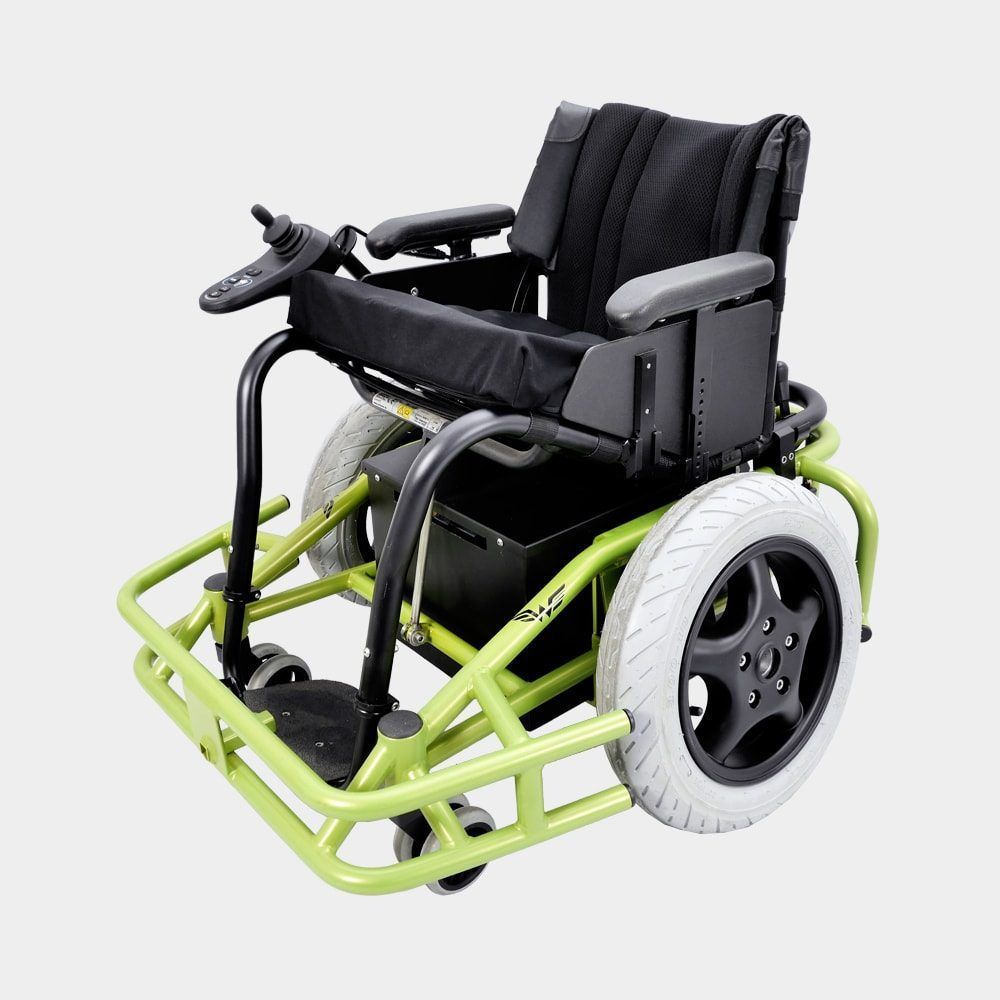
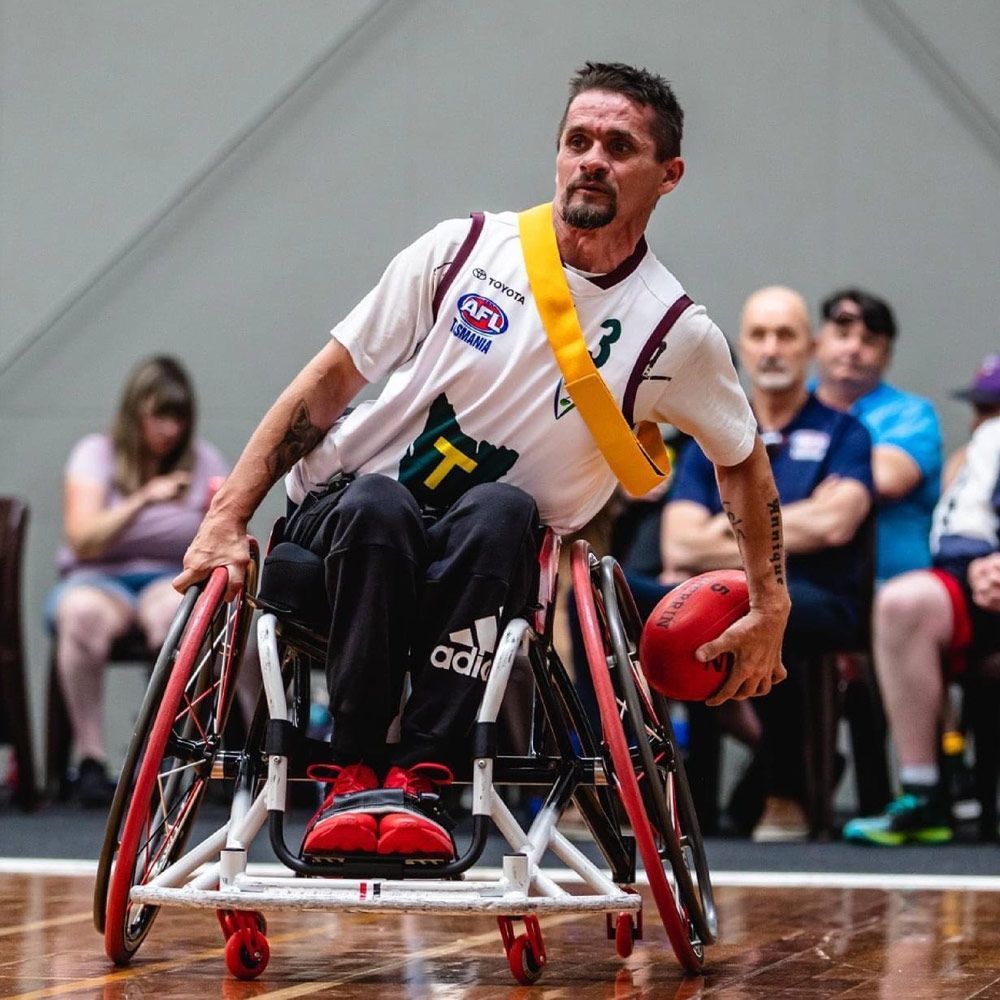
- Suit people with enough upper body strength to self-propel, or who have a carer to push.
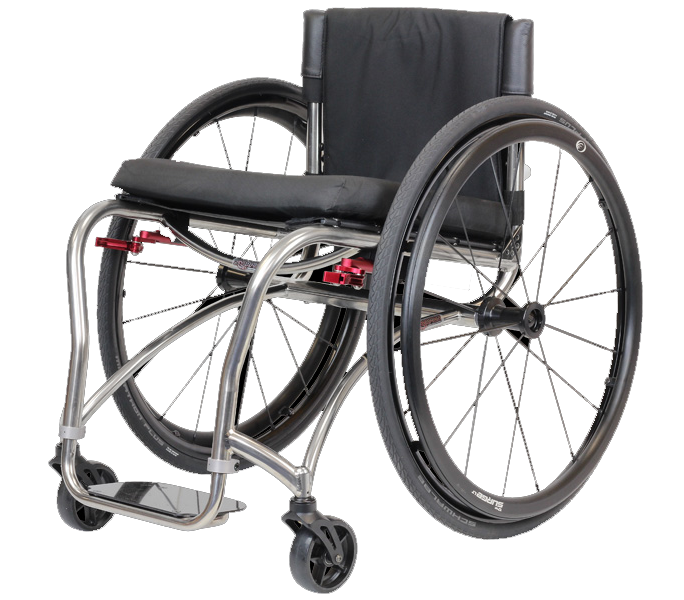
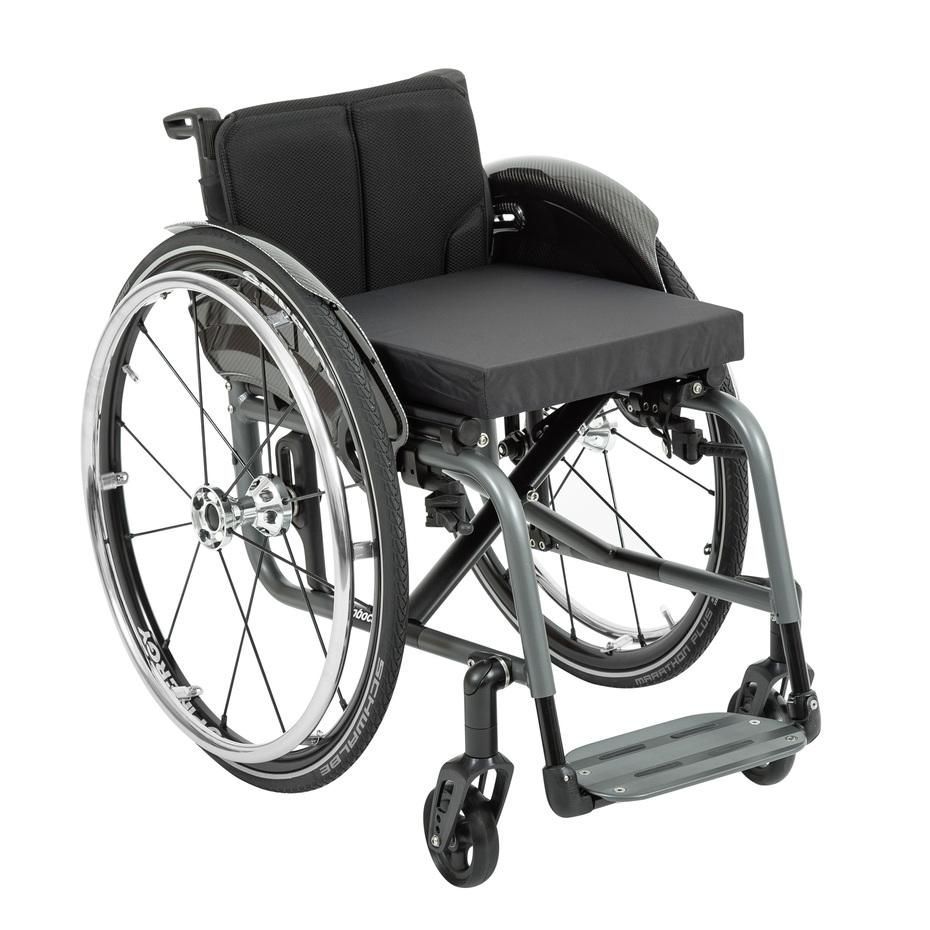
- Lightweight frames and a custom setup make everyday pushing and lifting easier.
- Are often preferred for portability and car transport.
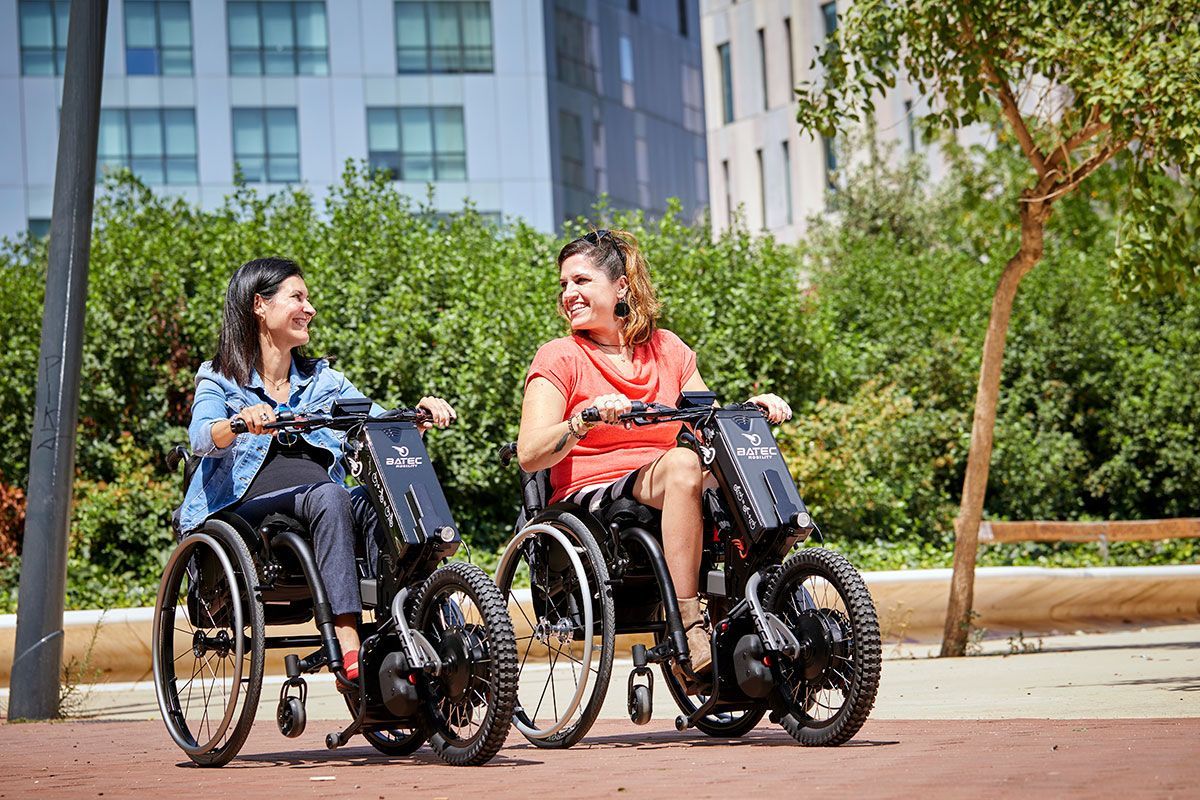
- Add electric help to a manual chair. We supply Batec, SMOOV, E-Fix and E-Motion.
- Suit people who like a manual chair but need help with hills, ramps or longer distances.
Custom seating and postural support
- Suit people who spend long periods in their chair and need pressure care and postural support.
- Usually need more detailed documentation for funding.
If you are in Sydney, you can trial lightweight wheelchair options at our Bankstown showroom. We take detailed body measurements, assess your posture and discuss frame materials, seating, accessories and features, ideally with your OT involved. If you are interstate or in regional NSW, we coordinate with your local clinician and our reseller network to arrange a trial and fitting.
Step 4: Quotes, Justification and Paperwork
After your trials, your OT and supplier turn the recommendation into a written quote and supporting documents for your funding body. A typical wheelchair quote covers:
- the base model and frame material
- whether the chair is manual or has power assist
- the seating system and cushions
- accessories and any special features
- exact measurements for sizing.
Your OT usually writes a report explaining why the recommended chair suits your needs, goals and safety. Evidence requirements differ between funders and depend on how complex the equipment is. Mogo Wheelchairs can assist with detailed quotes for your NDIS plan review and documentation to support your assistive technology assessment. We also coordinate with your occupational therapist to make sure the prescribed wheelchair meets your functional goals.
Funding Pathways: NDIS, EnableNSW, DVA and Others
There are several ways to fund a wheelchair in NSW, and the right one depends on your circumstances. Funding rules change and vary from person to person, so the information below is general. Always confirm the details with your planner, support coordinator or funding body.
- NDIS. Many NDIS participants receive funding for a wheelchair when it is prescribed as assistive technology by a qualified occupational therapist. We work regularly with participants, support coordinators and plan managers.
- EnableNSW. This state-based equipment program may be an option for eligible NSW residents who are not NDIS participants. Check eligibility with EnableNSW directly.
- DVA. Department of Veterans' Affairs funding may be available for eligible veterans.
- Other options. Private health insurance rebates and self-funding with payment plan options may also be available.
As a registered NDIS provider (provider number #4050002020), Mogo Wheelchairs can supply the quotes and product information your clinical team and funding body need.
Choosing the Right Wheelchair for Your Everyday Life
The right wheelchair is the one that best supports your everyday life, not simply the most advanced or expensive model. Key factors include:
- Environments: your home layout, local footpaths, and access to trains and buses
- Transport: car boot space and who will be lifting the chair
- Daily routine: work, study, social outings or caring for children
- Clinical needs: posture, pressure care, and room for future adjustment, especially for growing children
- Usage: daily, all-day use or occasional trips.
When funding is limited, your OT and a specialist supplier can help you prioritise the features that matter most for safety and function. If you are choosing a chair for an older family member, read how to select the right wheelchair for elderly individuals.
After Delivery: Training, Adjustments and Maintenance
The prescription process doesn't end when your wheelchair arrives. Fitting and fine-tuning are what make it safe and comfortable. At handover, we professionally fit and adjust your wheelchair, walk you through every feature, demonstrate folding and transport, and make final tweaks on the spot.
Ongoing maintenance includes regular checks of the tyres, bearings, brakes and upholstery. Keeping a record of repairs and adjustments is useful when your needs are reviewed. We provide repairs, servicing, rebuilds, upgrades and replacement parts for as long as you own your chair, and we offer pickup and delivery for repairs across the Sydney metro area.
How Mogo Wheelchairs Supports You Through the Process
Mogo Wheelchairs is a family-owned Sydney business that has specialised in lightweight and custom wheelchairs since 1980. Here is how we support you through a wheelchair prescription:
- We host wheelchair trials at our Bankstown showroom, with your OT attending where appropriate.
- We provide detailed quotes for NDIS plan reviews and other funding applications.
- We coordinate directly with your occupational therapist on specifications and measurements.
- We are a registered NDIS provider (provider number #4050002020).
- Most custom builds are completed within 4 to 8 weeks, depending on complexity and component sourcing, and we keep you updated throughout.
Call us on 02 9708 5255, visit our Bankstown showroom, or learn more about the assistive technology equipment we provide to start planning your wheelchair prescription.
FAQ: Wheelchair Prescription in NSW
The answers below are general guidance only. Everyone's situation is different, so always confirm the details with your occupational therapist or funding body.
When should I involve an occupational therapist?
Involve an OT as soon as walking becomes unsafe, painful or limiting, rather than waiting for a fall or a crisis. Bringing an OT in early leaves time for a proper assessment, trials and any funding application, which reduces the risk of rushed decisions. Ask your GP, speak to your support coordinator if you have one, or call us for guidance on what to prepare.
Can I get a temporary wheelchair while I wait for funding?
Many people use a short-term option while a funding decision is pending. Whether those costs can be covered depends on your plan or program, so check with your planner, support coordinator or funding body. We can talk through how a temporary option might fit with your longer-term prescription.
What if I'm not eligible for the NDIS?
You still have options. If you are not an NDIS participant, other funding may be available, including state-based equipment programs such as EnableNSW, DVA funding, private health insurance rebates, and self-funding with payment plan options. An OT assessment is still valuable because it guides a safe, well-fitted choice. We can provide quotes and product information for these pathways.
How often should my wheelchair be reviewed?
It depends on your age, your condition and how quickly your needs change. Many people have their chair and seating reviewed by their OT when they notice discomfort, growth or changes in function. Keeping a simple record of repairs and any problems helps at review appointments.
Do I have to choose a wheelchair from a single supplier?
Many people trial equipment with guidance from their OT before settling on a final quote. Plan or program rules can affect your choices, so check your own circumstances. To book a trial or talk through the prescription process, call Mogo Wheelchairs on 02 9708 5255.