

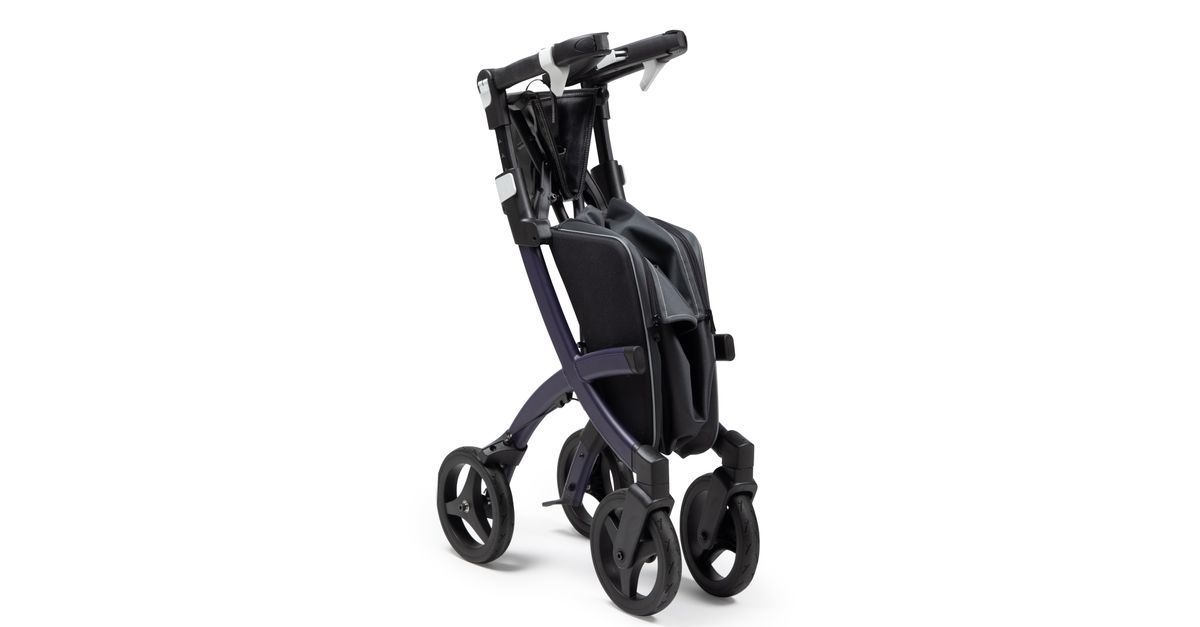
Self Propelled vs Transit Wheelchair: A Guide for Carers

October 5, 2026

Choosing between a self-propelled and a transit wheelchair is often the first big decision when you start looking at manual wheelchairs. It affects how independently you can get around, how easy the chair is for a carer to manage, and how simply it travels in the car. At Mogo Wheelchairs, we have been helping Sydney users and their families make this call since 1980. This guide explains the differences, who each type suits, and the questions to ask before you choose.

Key Takeaways

  • A self-propelled wheelchair has large rear wheels with push rims so the user can move independently. A transit wheelchair has four small wheels and is pushed by a carer or attendant.
  • The right choice depends on how much the user wants to, and safely can, propel themselves, who will be pushing, and how often the chair goes in and out of a car.
  • Both types come in lightweight frames. Transit chairs are usually the lightest and fold the smallest.
  • Fit, comfort and your everyday environment, including your home, local shops, parks and appointments, matter as much as the chair type itself.
  • The best way to feel the difference is to try both. Book a trial at our Bankstown showroom, with or without your occupational therapist, by calling 02 9708 5255.

Self Propelled vs Transit Wheelchairs: The Essentials

The difference between a self-propelled and a transit wheelchair comes down to who moves the chair. Both are manual wheelchairs, which means they have no motor. Understanding how each one works will help you narrow down your options quickly.

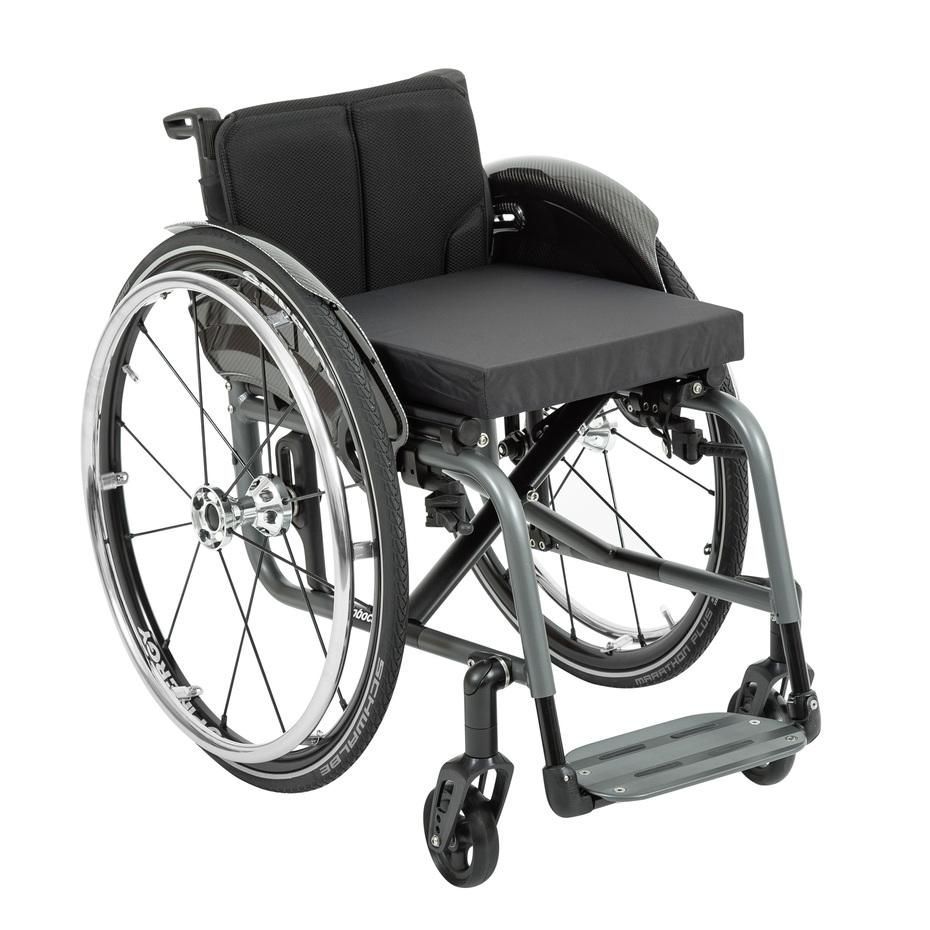
A self-propelled wheelchair has large rear wheels with push rims (also called hand rims). The user grips the rims to move forward, steer and slow down. Most self-propelled lightweight models weigh 12 to 15kg, and quick-release wheels can bring the transport weight down below 10kg. Seat height, armrests and footrests are usually adjustable for daily comfort.

A transit wheelchair, sometimes called an attendant-propelled or transport wheelchair, uses four small wheels and is designed to be pushed by a carer from behind. Transit wheelchairs often weigh 8 to 12kg, fold smaller than most self-propelled chairs and are the easiest type to lift into a car boot.

  • Self-propelled: for users with enough upper body strength who want to get around home, work or the community on their own.
  • Transit: for users who will always have a carer with them, or who tire quickly. Transit chairs are common for appointments, short outings and travel.

Power and power-assist options are a separate decision and fall outside this guide.

When a Self Propelled Wheelchair Makes Sense

A self-propelled wheelchair makes sense when the user has enough upper body strength and wants the independence to move around on their own terms, whether that is around the house, at the local shops or out in the park, without waiting for someone to push.

Core features

The large rear wheels with push rims are the defining feature. They let you push, steer and slow down yourself, and they roll more easily over bumps, thresholds and rougher ground than small transit wheels. A self-propelled chair takes more effort to use than being pushed, but it gives you freedom of movement in return.

Lifestyle fit

If your week involves moving through your home, around a workplace or campus, through shopping centres or along footpaths, a self-propelled chair lets you set your own pace and route. That is especially valuable for active people navigating cafés, parks, shopping centres and train stations across Sydney, from Bankstown to Parramatta and the inner west.

Physical considerations

To self-propel safely, you need reasonable shoulder, arm and hand strength, enough balance to sit upright and reach the rims, and the grip to use the brakes. If any of these are borderline, involve your occupational therapist. We are happy to speak with your therapist directly to work out whether a self-propelled setup is right, or whether changes to the wheel position or setup could help.

Adjustments and comfort

A correct fit makes pushing easier and more comfortable over longer distances. The key adjustments are:

  • Seat width and depth. If the seat is too narrow it pinches, and if it is too wide it reduces postural support.
  • Backrest height and angle. The backrest should support the spine without restricting arm movement.
  • Armrest height. This affects your shoulder position as you push.
  • Seat height and footrest length. These keep your thighs level and your feet supported.
  • Tyre type. Puncture-proof tyres mean no flats and no pump.

Maintenance

Self-propelled chairs need a little regular attention. Check that the brakes grip properly, keep the push rims and axles clean, and keep an eye on tyre wear. Our guide on how often you should replace wheelchair tyres covers the signs to look for.

You can see examples of self-propelled frames in our range of manual wheelchairs Sydney clients use every day.

When a Transit Wheelchair Is the Better Choice

A transit wheelchair is the better choice when the user will always have a carer, family member or support worker with them, or when self-propelling is too tiring or difficult. Because the user relies on someone else to push, the chair is designed around that partnership.

Design and size

Transit wheelchairs use four small wheels, which makes them more compact overall. A narrower, smaller footprint can make tight hallways, café aisles and smaller doorways easier to manage.

Advantages for carers

Carers generally find transit chairs easier to handle and lift. They are often lighter than self-propelled models, they fold smaller, and they are the easiest type to load into a car boot. That is a real help when you are juggling appointments, shopping and family life.

Common use cases

  • hospital discharge and medical appointments
  • a family chair kept in the car boot for outings
  • aged care, where staff or visiting family push the chair
  • travel and short-distance trips.

Comfort for longer sits

If the user will spend a long time in a transit chair, for example a full morning of appointments or a family day out, good cushioning, a supportive backrest and correctly set footrests all reduce pressure and fatigue. For long daily use, it is worth talking with us and your occupational therapist about a more supportive setup.

Safety features for carers

  • Attendant brakes: these let the carer slow down and stop smoothly from behind the chair.
  • Anti-tip bars: these help stop the chair tipping backwards on slopes.
  • Swing-away footrests: these keep the feet supported and move out of the way for transfers.

How to Decide: Questions to Match the Chair to Your Life

The right wheelchair depends on who will use it and how it will be used. The goal is to match the chair to your life, not the other way around. Work through these questions together as user and carer.

  • Will the user self-propel or be pushed? If they mostly self-propel at home but are always pushed on outings, two chairs may be worth considering.
  • Who will lift the chair? It may be the user, a family member or a support worker.
  • How big is the car boot? Measure the boot space of every vehicle the chair will travel in.
  • What seat width and cushion are needed? Match these to the user's posture and body size.
  • How often will the chair be used? All-day use calls for different comfort and durability than occasional trips.
  • What surfaces will you cover? Indoor floors, footpaths, gravel and grass all affect the choice of wheel and tyre.
  • How wide are the doorways and hallways at home? Measure before you choose.

Weight versus weight capacity

The chair's own weight and its weight capacity are two different numbers, and both matter. The chair's weight affects how easy it is to lift and transport. The weight capacity is the maximum load the chair can safely carry, which needs to cover the user plus anything they carry. Always choose a capacity with a comfortable margin, and if you are unsure, ask us during a consultation. Our post on weight limits for wheelchairs explains this in more detail.

Owning both types

Some families find the best answer is a self-propelled chair for home and local outings, plus a compact transit chair kept in the car for quick trips. If independence at home is the priority but you also need something light for a carer to grab, two chairs can be a practical combination.

Get the right support

We encourage you to involve your occupational therapist. If you have one, we can speak with them directly to coordinate the prescription. Mogo Wheelchairs is a family-owned business that has been fitting wheelchairs since 1980. We are a registered NDIS provider, and we provide repairs, servicing and adjustments for as long as you own your chair.

To try self-propelled and transit wheelchairs side by side, call us on 02 9708 5255 or visit our Bankstown showroom. Bring your carer, and your therapist if you like.

Frequently Asked Questions

Can I convert a transit wheelchair into a self propelled wheelchair later?

In most cases, no. Transit and self-propelled chairs differ in wheel size, axle position and frame design, so you can't assume one can be converted into the other after purchase. If you think your needs might change, raise it before you choose so we can recommend a setup that gives you the most flexibility.

Is a self propelled wheelchair harder for a carer to push?

Not necessarily. A self-propelled wheelchair can be a little bulkier than a transit model, but its large rear wheels roll more easily over kerbs, bumps and rough ground. Many carers find that difference noticeable outdoors. We suggest carers try pushing both types during a showroom trial to see which feels more manageable.

What if the user's weight is close to the wheelchair's weight capacity?

Choose a chair with a comfortable safety margin above the user's weight. Sitting right on the limit puts extra stress on the frame and wheels. Our chairs are tailored to each client, including their weight requirements, so talk to us and your occupational therapist about the capacity you need.

Are lightweight wheelchairs strong enough for everyday use?

Yes. Modern lightweight frames are built for daily use when they are chosen within the right weight capacity and set up correctly. The quality of construction and the fit matter as much as the frame material. Regular servicing of tyres, brakes and fittings keeps the chair safe and reliable.

Do I need an appointment to trial wheelchairs?

It is best to book ahead. That way we can set aside enough time, have suitable self-propelled and transit models ready, and involve your occupational therapist if needed. Call Mogo Wheelchairs on 02 9708 5255 to arrange a visit to our Bankstown showroom and try different manual wheelchairs in person.

October 5, 2026
Folding vs rigid wheelchair: compare ride, car loading and storage, then trial both frame types at our Bankstown showroom with Mogo Wheelchairs in Sydney.
October 5, 2026
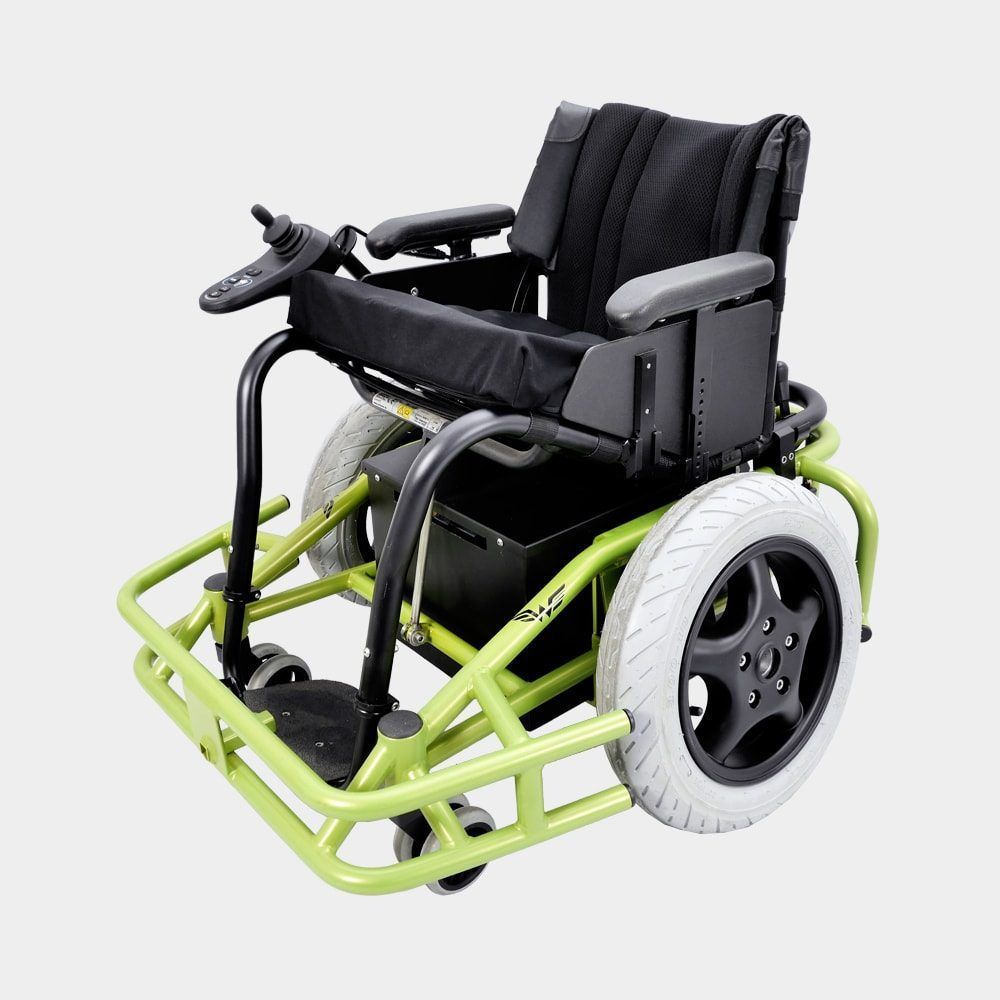
How power assist devices for manual wheelchairs work, who they suit and how to trial Batec, SMOOV, E-Fix and E-Motion in Sydney with Mogo Wheelchairs.
October 5, 2026
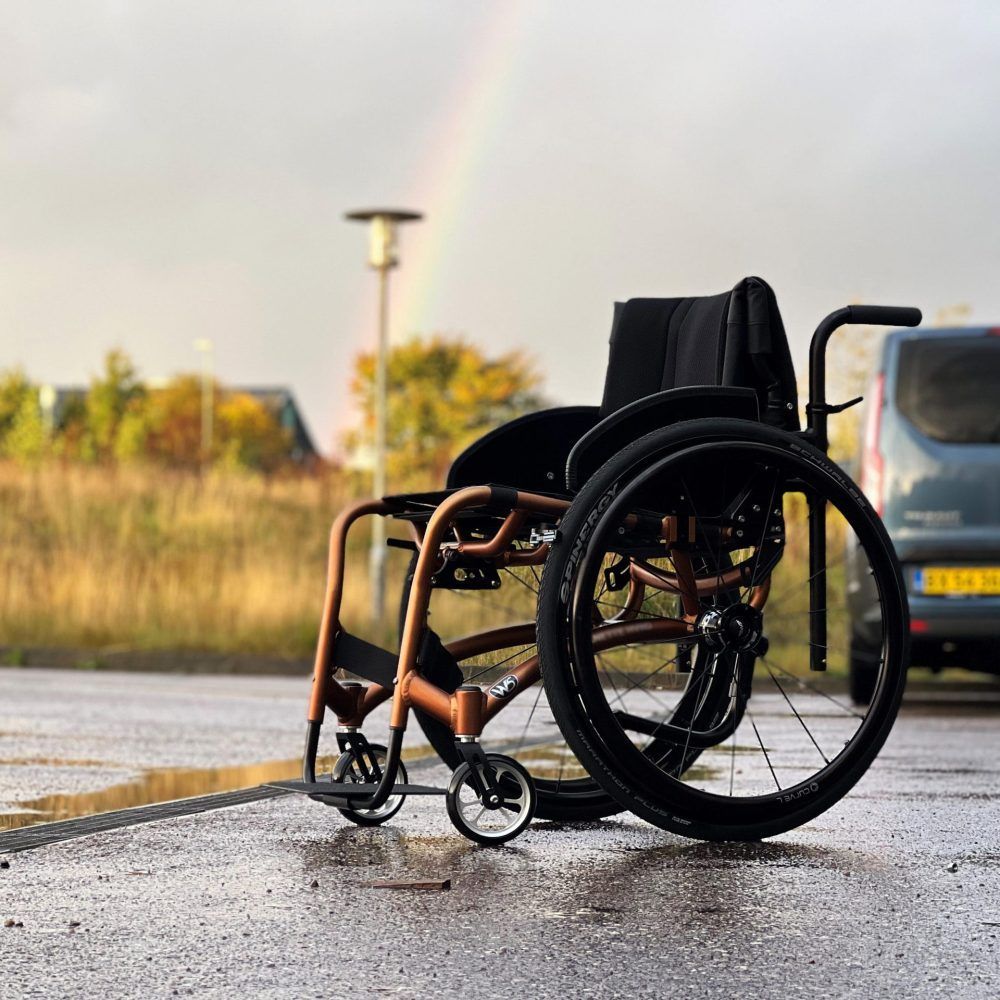
How a wheelchair prescription works in NSW: OT assessment, trials, quotes and NDIS or other funding. Mogo Wheelchairs in Sydney can help at every step.

October 5, 2026
Wheelchair accessories for travelling, plus practical tips for flights and road trips. Get your chair travel-ready with Mogo Wheelchairs in Bankstown, Sydney.
young man pushing older man in wheelchair while walking across a bridge — Mogo Wheelchairs
May 5, 2026
Compare light weight wheelchairs for home and travel, including comfort, manoeuvrability, portability and support for daily needs, too.

Woman using a wheelchair - Mogo Wheelchairs
May 5, 2026
Here's how partnering with Mogo Wheelchairs, a local wheelchair service, can help you see a dramatic change in your daily mobility and overall independence.

Man in cap and plaid shirt inspecting a wheelchair, indoor setting, focused expression.
August 6, 2025
Noticing issues with your wheelchair? Discover the top 5 signs it needs urgent servicing to help you stay safe, comfortable and mobile every day.
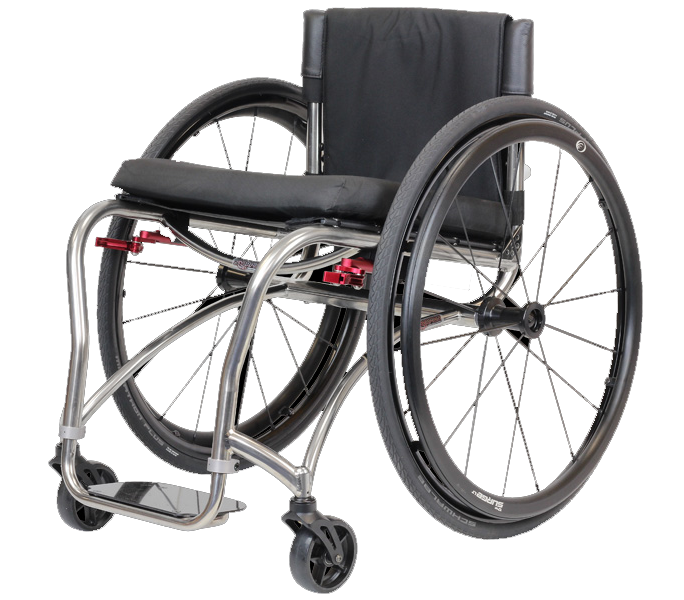
Wheelchair with black seat and wheels, silver frame, and small front wheels.
July 28, 2025
Wondering when to replace wheelchair tyres? Learn key signs, maintenance tips & how to keep your ride smooth. Stay mobile with our full guide.
A gray wheelchair with a black seat and back, and large wheels.
July 8, 2025
Explore essential customisation options for selecting the perfect wheelchair. Enhance comfort, functionality, and style to meet your unique needs. Read more!

Man in wheelchair playing wheelchair Australian rules football, holding a red ball, in a gym.
May 21, 2025
Discover how a sports wheelchair differs from daily models and choose the right fit for your needs. Read our guide to learn more today.

Show More