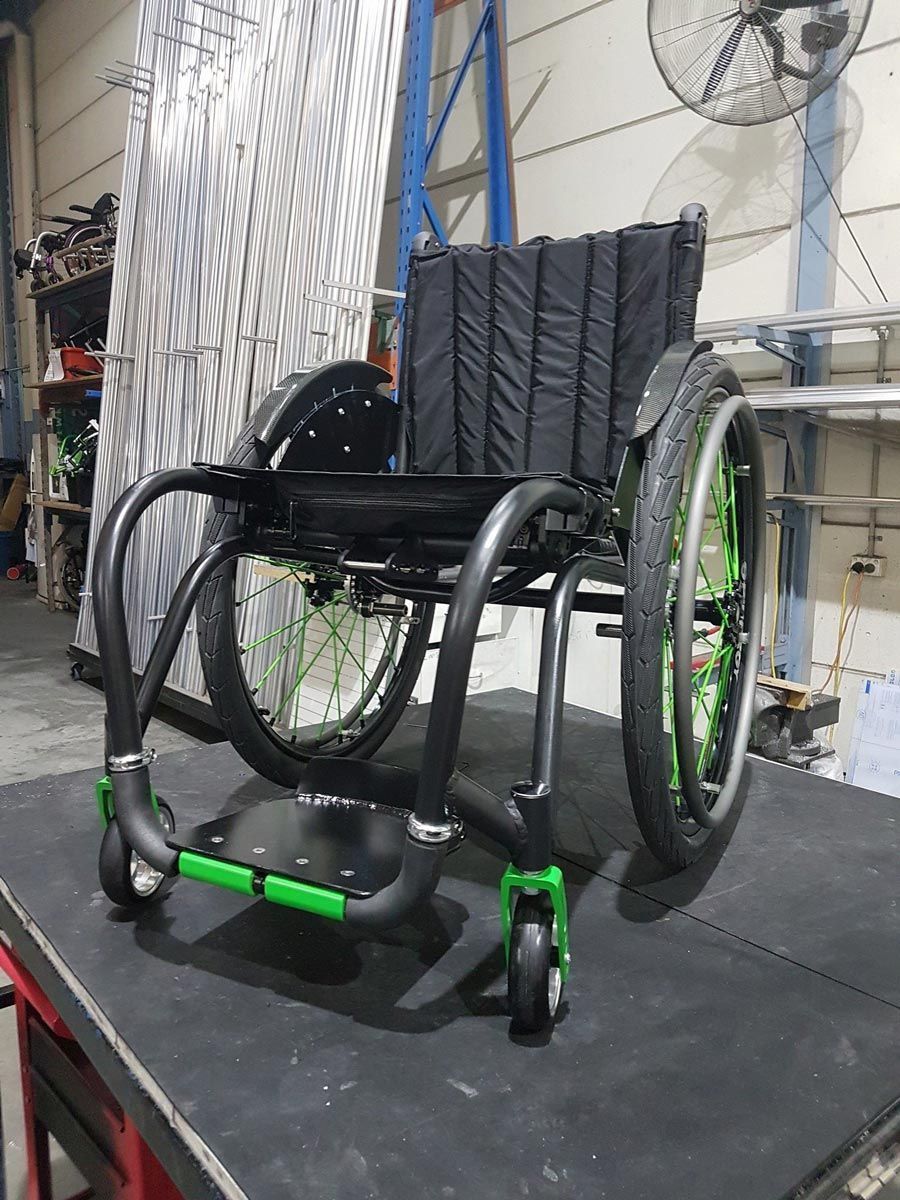

Choosing between mobility options for home life and travel usually comes down to real performance rather than appearance. People may need a chair that moves easily through narrow hallways, fits comfortably at the dining table or folds quickly before a trip away. In many cases, the best option isn’t simply the lightest model available, but the one that balances comfort, support, manoeuvrability and convenience.
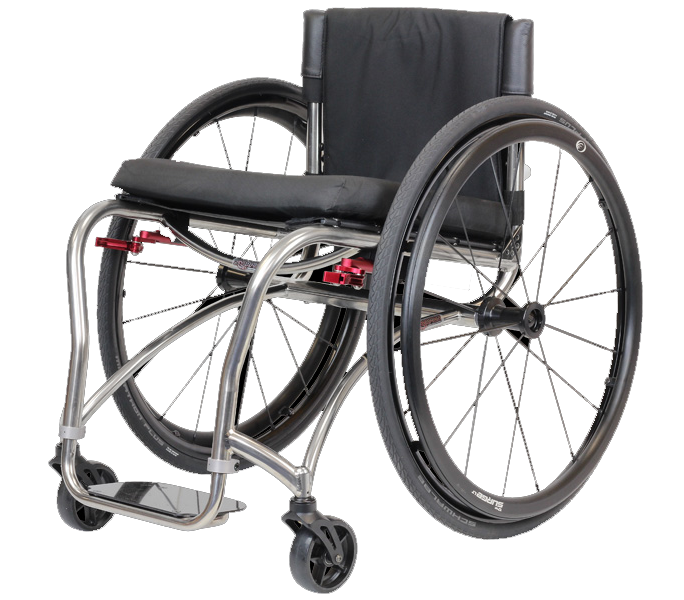
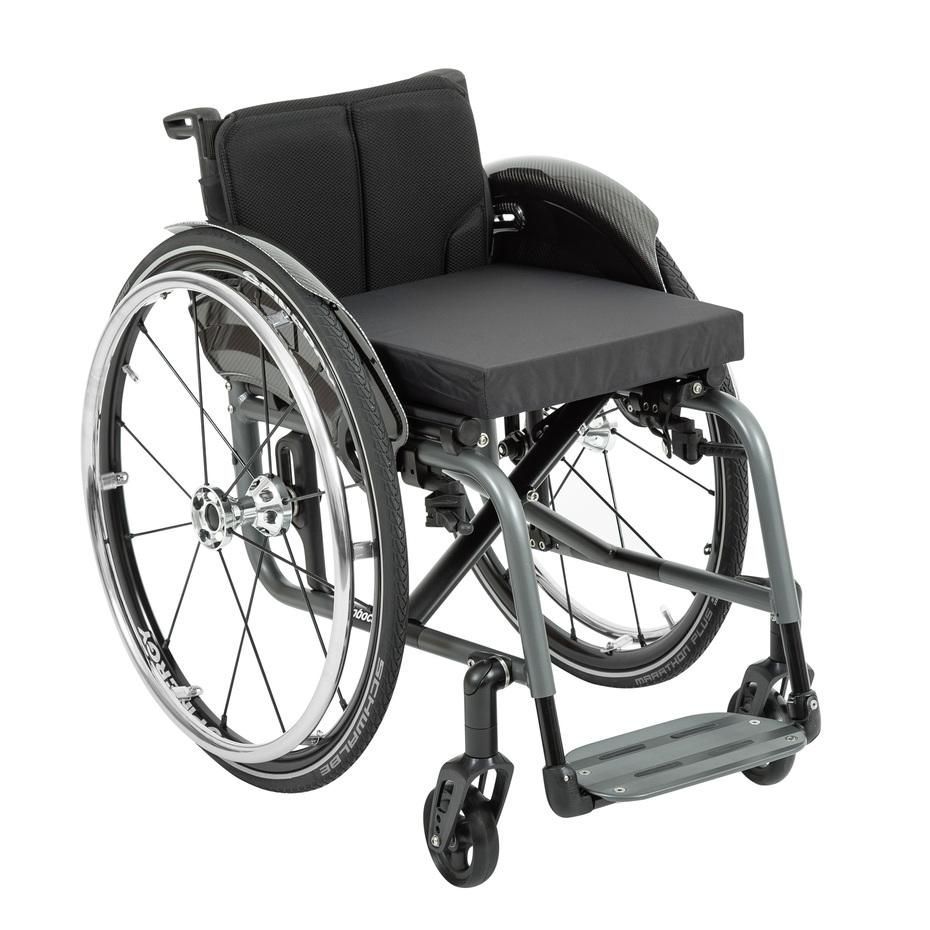
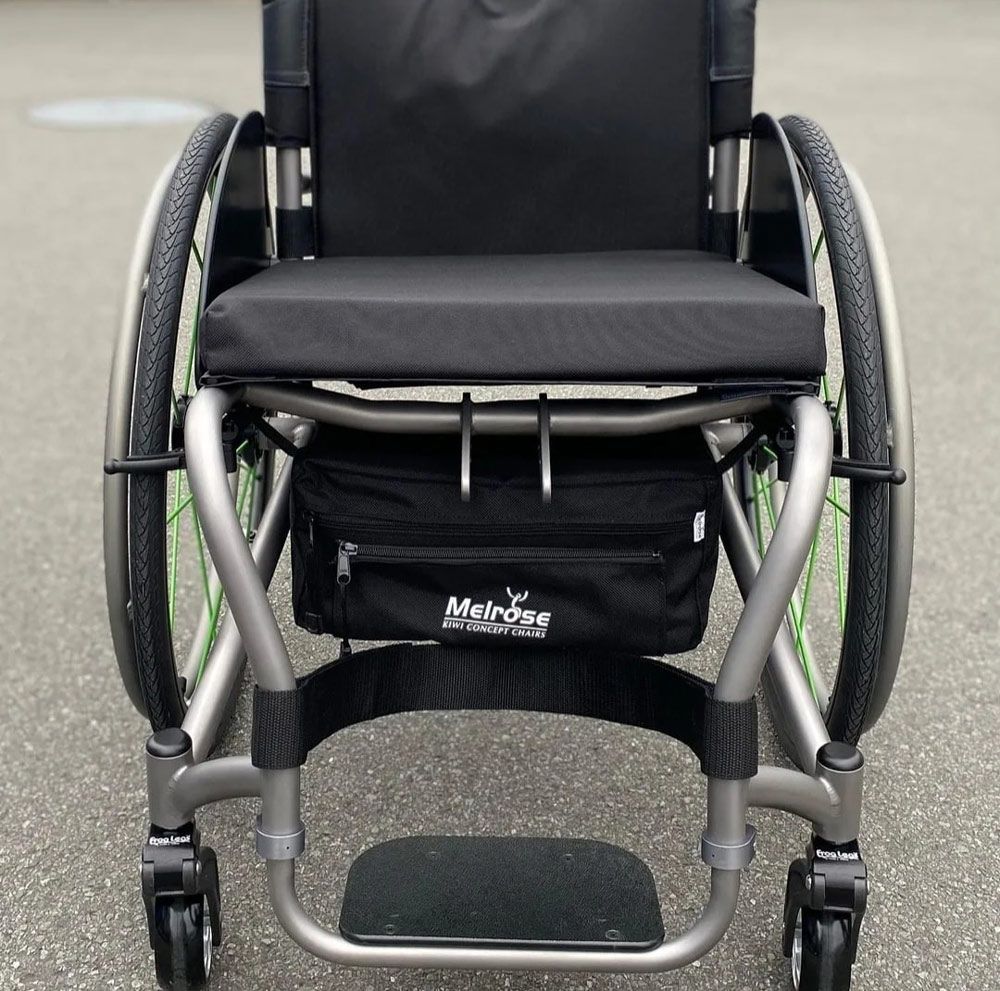
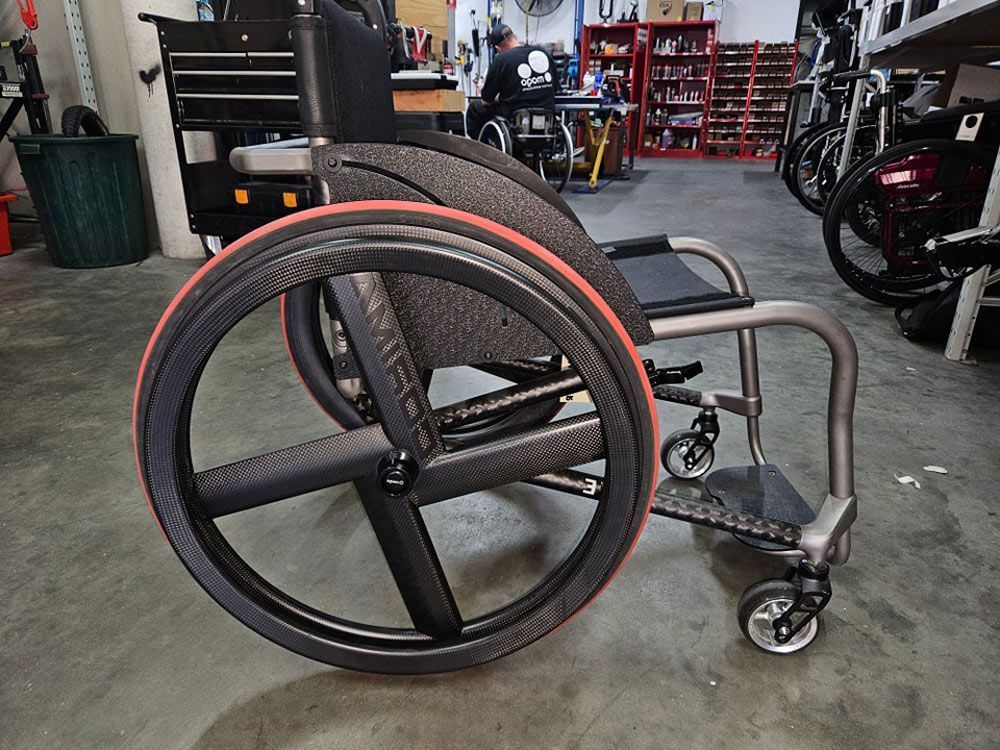
When comparing light weight wheelchairs, it’s helpful to start with the user’s routine.
Someone who spends most of the day indoors may value tight turning ability and simple storage more than all-terrain performance. Another user who travels often may focus on folding speed, transport dimensions and how easily the chair fits into a car boot.
These practical differences matter because a wheelchair that works well in one setting may feel frustrating in another for many users.
Evaluating Key Features for Home Use
At home, small design features can make a major difference in independence. Doorway width, flooring type, bathroom layout and furniture spacing all affect how easily a person can move safely from room to room. For this reason, wheelchairs intended for home use should be assessed for width, turning radius, footrest positioning and overall responsiveness.
A chair that’s compact and easy to navigate can reduce strain on both the user and any family member or carer assisting with movement.
Comfort is equally important in domestic settings. Many people spend significant time seated while reading, working, eating or relaxing, so cushioning, back support and posture shouldn’t be treated as secondary concerns. Adjustable armrests, supportive seat materials and a stable frame can improve day-to-day comfort and help the chair feel more dependable. This is especially relevant when comparing light weight wheelchairs, because a lighter frame shouldn’t come at the expense of support.
Storage and handling also deserve attention. In Australian homes, available space can vary widely, from compact inner-city units to larger suburban properties. A wheelchair that folds neatly or stores without difficulty may be far more practical in a smaller home. Ease of use inside the home is often built on these routine details.
Assessing Practical Demands for Travel
Travel introduces a different set of expectations. A wheelchair must often be lifted, folded, packed and unpacked within short timeframes, sometimes in crowded environments.
Whether the user is planning a coastal road trip, a city stay or an interstate flight, portability becomes a central concern. Weight matters, but the chair’s folded size, frame durability and ease of handling may be just as important.
Accessibility planning can also vary from one destination to another. Paths, transport systems, accommodation layouts and venue access aren’t always consistent. That makes adaptability an important part of the decision.
According to Tourism Australia’s Future of Demand Research, an estimated 24% of international travellers considering Australia have an accessibility need. This highlights a broader reality: mobility support is a meaningful part of travel planning and equipment choices should reflect the practical challenges people may face on the move.
For this reason, travellers often compare transport wheels, fold-down components, brake placement and lifting points before making a purchase. A model that folds quickly may reduce stress when getting into a taxi or loading a vehicle.
When users compare light weight wheelchairs for travel, they should think beyond the departure point and consider the full journey.
Balancing Comfort With Portability
One common mistake in wheelchair selection is assuming that lighter automatically means better. A highly portable chair may be easier to transport, but comfort and confidence can suffer if:
- The seating position is poor
- The ride feels unstable
- The user feels less secure during everyday movement
The best comparison process weighs portability and support together. A well-designed chair should feel:
- Secure during movement
- Predictable during transfers
- Comfortable across different daily settings
Users may wish to consider several key features when comparing options, including:
- Seat depth
- Back height
- Wheel placement
- Frame response on different surfaces
A chair that feels balanced on smooth indoor flooring may perform differently on:
- Kerbs
- Paved walkways
- Rougher outdoor ground
The goal is to find a model that remains comfortable while still being practical to lift and store. For households that expect one chair to cover multiple settings, some compromise is often necessary.
Some light weight wheelchairs are built to bridge the gap between home and travel by offering:
- Folding convenience
- Supportive seating
- Reliable everyday performance
This kind of middle-ground solution can be especially helpful for users who don’t want separate equipment for different situations. That flexibility can make daily routines, outings and overnight stays easier to manage with confidence.
Considering Safety, Support & Ease of Use
Safety should remain central in every comparison. A wheelchair may appear convenient, but if the brakes are hard to reach, the seat feels unstable or the frame is awkward to control, daily use can become stressful.
Home and travel settings both create moments where secure handling matters, including:
- Transfers in bathrooms
- Movement across ramps
- Loading the chair into a vehicle
Stability and simplicity often contribute as much to user confidence as low frame weight. Support from carers or family members may also shape what makes a chair suitable. In some cases, the user propels independently at home but relies on assistance when travelling longer distances. In other cases, a family member may handle folding, lifting or loading the chair. These realities should influence the comparison process.
Ease of maintenance is another practical consideration. Common components that wear over time include:
- Wheels
- Upholstery
- Brakes
- Folding mechanisms
When comparing light weight wheelchairs, buyers should also think about replacement parts, service support and how well the chair is likely to hold up with regular use. Convenience at the time of purchase matters, but dependable performance over time matters even more.
Making the Right Choice for Everyday Life
Making the right choice for everyday life starts with matching wheelchair features to real routines rather than relying on marketing claims. A person who prioritises indoor independence may value manoeuvrability in tight spaces, comfort during regular use, and compact dimensions for easier storage.
In contrast, someone who travels frequently may place more importance on folding efficiency, ease of loading, and a design that’s suitable for transport.
It’s also important to think about how preferences may change over time. A chair selected for occasional outings may later become part of a more active travel schedule, while a model chosen for portability might also need to provide greater comfort for extended daily use.
Thoughtful advice and careful product comparison can help make these long-term decisions more manageable.
Ultimately, the goal is to choose a wheelchair that feels practical, safe, and supportive in the environments where it will be used. For some, the priority may be comfort at home; for others, it may be flexibility on the road, or a balance of both. Each setting should play a role in the final decision.
Comparing light weight wheelchairs with this broader perspective allows users to make more informed choices. A well-chosen mobility solution can improve daily confidence and reduce unnecessary strain, supporting decisions that are realistic, personal, and better suited to long-term use. Contact Mogo Wheelchairs today to explore reliable mobility solutions tailored to your needs.