The right wheelchair accessories for travelling, combined with a bit of planning, can make flights and road trips smoother, safer and far less stressful. At Mogo Wheelchairs, our family-owned Bankstown workshop has been helping Sydney wheelchair users get around since 1980, and we hear plenty of travel stories, both the smooth ones and the stressful ones. This guide shares practical accessories and tips for flying within Australia or overseas, and for road trips around NSW and beyond.
Key Takeaways
- A short checklist of the right gear can make travel much easier. Useful items include a good cushion, quick-release wheels, protective bags for loose parts and a compact repair kit.
- Airline rules on wheelchairs, battery-powered mobility aids and assistance vary between carriers and change over time. Always confirm the requirements directly with your airline well before you fly.
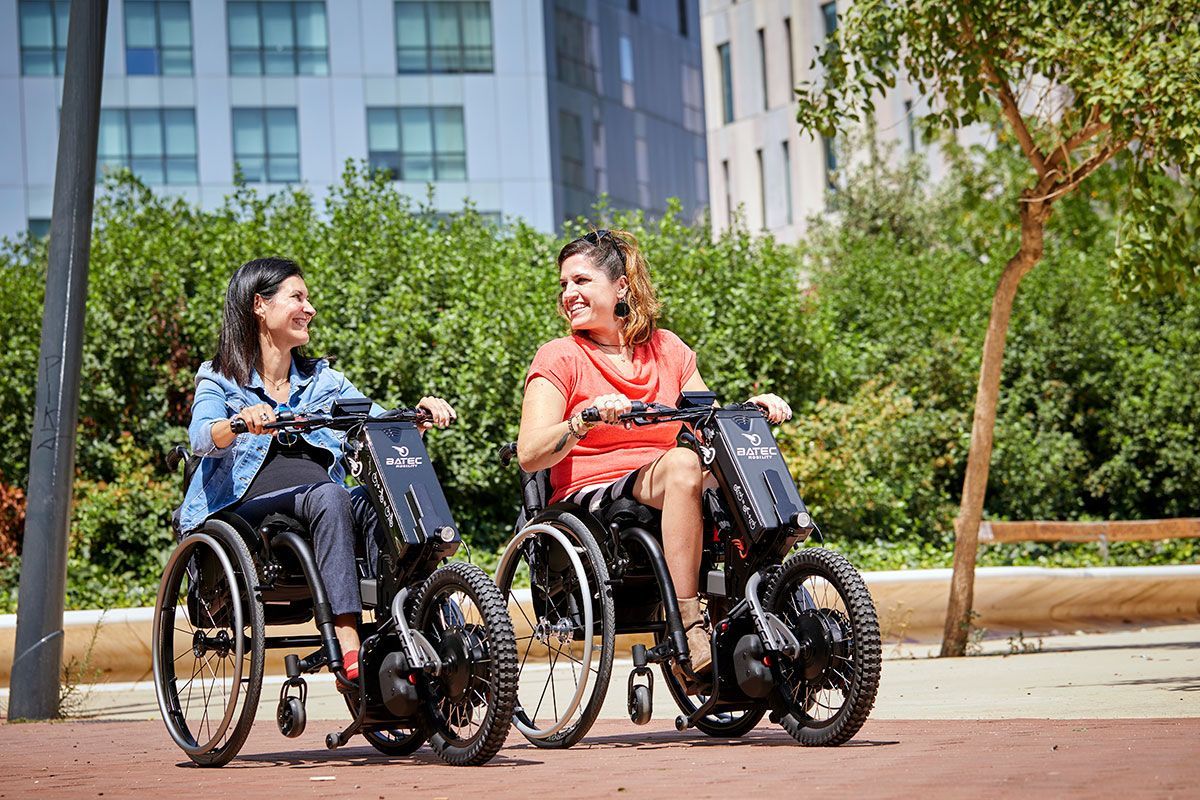
- Our power assist products have travel certified batteries, which makes flying with power assist easier to plan.
- Preparing your chair before check-in, and checking it carefully on arrival, helps protect it in transit.
- Call Mogo Wheelchairs on 02 9708 5255 or browse our wheelchair accessories to talk through your trip before you go.
Introduction: Travelling with a Wheelchair from Australia
Travelling with a wheelchair is very achievable with the right accessories and preparation. The common worries are real: damage to your chair in the aircraft hold, confusing rules for battery-powered aids, long transfers through unfamiliar terminals, and wrestling a chair into a car boot on a hot afternoon.
This guide covers manual wheelchairs and power assist setups on flights and road trips. We don't make airline-specific promises, because rules differ between carriers and change over time. What we can do is walk you through the accessories and practical steps that make the journey easier. We supply wheels and tyres, cushions and backrests, power assist products with travel certified batteries, and the Roark travel commode, all of which can play a part in a more comfortable trip. If you are still choosing a chair for travel, read our guide to comparing lightweight wheelchairs for home and travel use.
Planning Your Trip Around Your Wheelchair
The most important step in travelling with a wheelchair is planning around your own chair and setup. Every chair is different, and so is every aircraft, car and accommodation. Start by recording your chair's key details:
- its overall length, width and height, both assembled and folded
- its weight, including any power assist unit
- the battery model and documentation if you use power assist
- its folded or broken-down size for a cargo hold or car boot.
Keep this information in a simple "wheelchair passport" on your phone and on paper. Include photos of the assembled chair, folding instructions and our contact details in case a technician away from home needs information about your setup.
When you choose flight times or plan the stages of a road trip, build in rest breaks and allow extra time for check-in, security, boarding and baggage collection. Check the accessibility at your destination too, including accessible transport, hotel room sizes and bathroom layouts, before you lock in bookings.
Working with Airlines: Booking, Check In and Pre-Approval
Contact your airline's special assistance team as soon as your flights are booked. Every carrier has its own process, so treat each airline, and sometimes each flight, as a separate conversation. Questions to ask include:
- Can I stay in my own wheelchair up to the gate, or will it be taken at check-in?
- What information and approvals do you need for a battery-powered mobility aid, and how should the battery be packed?
- Can assistance be noted on my booking so staff are ready with an aisle chair for boarding?
- How early should I arrive for check-in and assistance?
- Are there any size limits for my chair on this aircraft?
Write down the answers and reference numbers, and bring them with you on the day.
Essential Wheelchair Accessories for Air Travel
A few well-chosen accessories make you more comfortable on the plane and help protect your chair in the hold. Think about what stays with you in the cabin and what travels below.
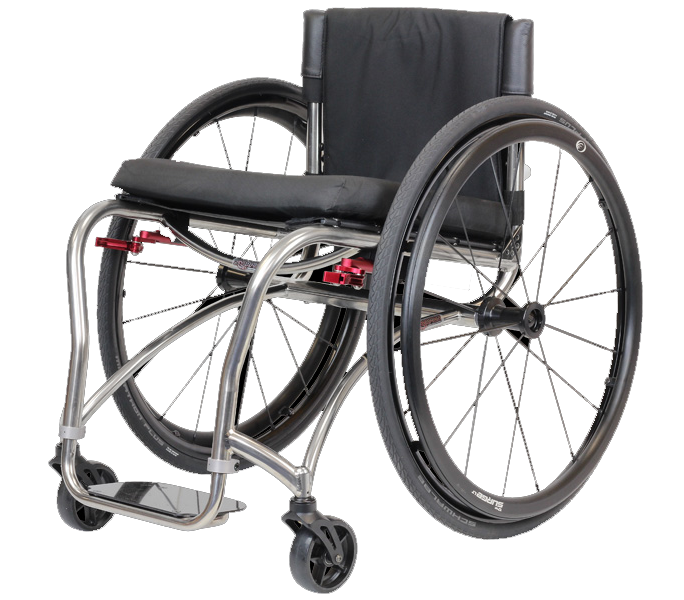
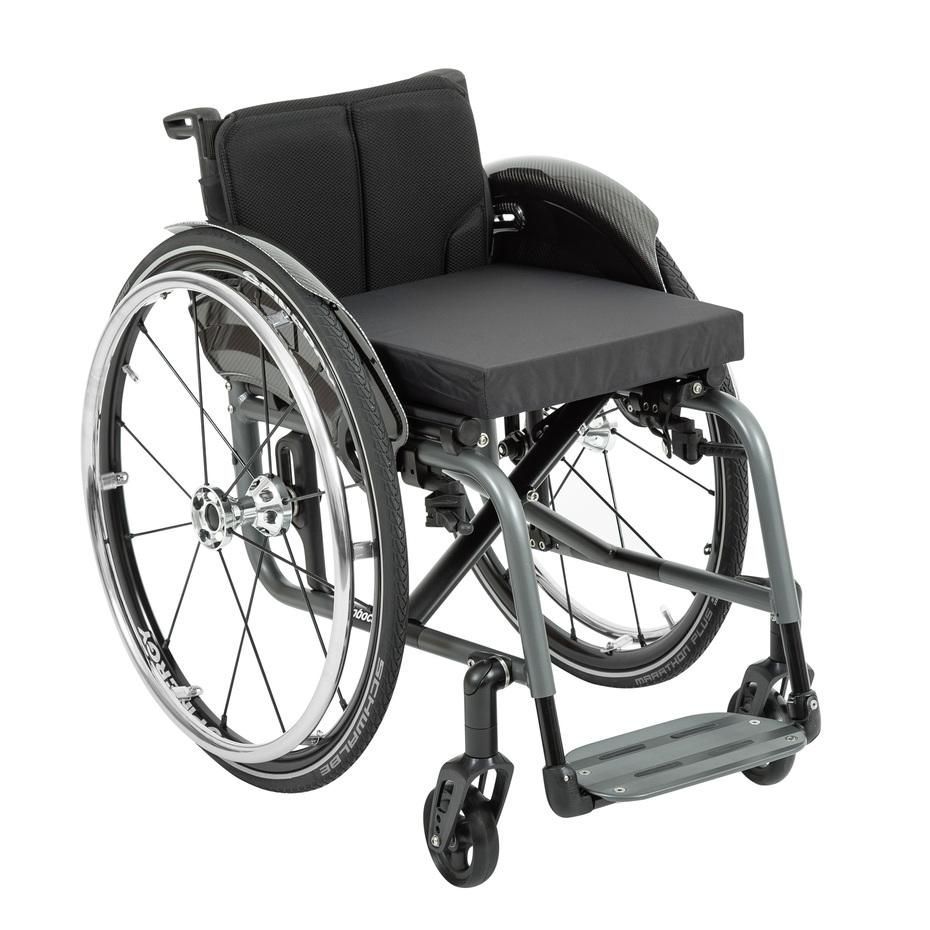
- Quick-release wheels. These reduce bulk and make the chair easier to handle and stow. Many lightweight wheelchairs already have them.
- Removable parts in labelled bags. Take off side guards, anti-tip bars and other small parts and bag them to prevent loss or damage.
- Your cushion and backrest. Carry these into the cabin rather than leaving them on the chair. Your cushion is part of your seating, not just an accessory.
- A protective bag or cover to help protect the frame and finish from knocks.
- A portable power bank to keep your phone charged through long layovers.
- A phone mount for navigating unfamiliar airports and cities.
Attach a clear ID tag and a laminated handling note to the frame, asking staff to lift by the frame and not by the wheels or armrests.
Power Assist and Battery Powered Mobility Aids
Flying with a power assist unit is very possible, but battery rules vary between airlines, so always confirm the details directly with your carrier. Our power assist products have travel certified batteries, and we can help you find the product information your airline may ask for.
Before you fly:
- note the battery model and keep the manufacturer documentation with you
- ask your airline whether the battery needs to be removed and carried in the cabin
- ask how many spare batteries, if any, you can take
- protect the battery terminals as the airline directs
- keep chargers and cables in your carry-on so they are not lost in checked baggage.
Preparing Your Manual Wheelchair for Flights
Careful preparation reduces the risk of damage in the hold and makes your chair easier for ground staff to handle. Assume your chair will be separated from you for the flight.
- Remove the cushion, backrest pads, bags and any other loose items and carry them with you.
- Fold or break the chair down as far as practical. Quick-release mechanisms make this much simpler.
- Photograph the chair from several angles before check-in so you have a record of its condition.
- Write a short, laminated instruction sheet explaining how to push, brake and fold the chair, and attach it to the frame.
Clear instructions make the job easier for baggage handlers and show that you took steps to communicate how the chair should be handled.
Airport Navigation: Security, Boarding and Aisle Wheelchairs
Getting through the airport is easier when you know the usual sequence: check-in, security, waiting at the gate, boarding and getting off at your destination. At security, let officers know which parts of your chair can and can't be removed, and keep any medical letters and your wheelchair passport handy.
If you can't walk down the aircraft aisle, airlines generally use a narrow aisle chair for boarding. Ask staff to explain each step, go slowly and check the brakes and footplates during transfers. If you normally use a slide board, bring it along. Plan ahead for bathroom access on longer flights, because aircraft toilets are small. Ask the airline about your options when you book.
Road Trips with a Wheelchair: Cars, Vans and Accessories
Road trips bring their own challenges: long distances, rougher regional roads and accessible facilities that aren't always guaranteed. The right setup makes loading and unloading much easier.
Quick-release wheels and a folding or fold-down backrest help a chair fit into smaller boots. With the wheels removed, most lightweight wheelchairs fold small enough for a typical sedan, hatchback or small SUV boot. Swing-away footrests help prevent parts bending as you load.
Useful car and road-trip accessories include:
- straps and a non-slip mat to stop the chair moving in the boot
- a portable ramp for a single step or kerb at older motels or holiday parks
- a cup holder so you can stay hydrated with your hands free
- weather protection for sudden rain or strong sun at rest stops.
Before you head off, it's worth a quick check of your tyres and brakes. Our post on signs your wheelchair needs immediate servicing covers what to look for.
Comfort and Seating: Cushions, Backrests and Support
Good seating is one of the most important travel accessories, because long periods in one position on a plane or in a car add up. Make sure your cushion travels with you. If you use an air cushion, check it after take-off and landing, because changes in cabin pressure can affect how it feels.
A supportive backrest and well-adjusted footrests help on long drives and when you are switching between your own chair, a car seat and an airport chair. We supply cushions and backrests, sold separately or as part of a custom build, and can help you check that your seating is ready for a long trip. Try out your travel setup on a few shorter drives before a big trip so you can fine-tune it.
Portable Toileting and Hotel Accessibility
Bathrooms are often the most stressful part of travel planning, particularly in older hotels and regional accommodation. Before you book, ask for room measurements, door widths and photos of the bathroom.
We supply the Roark travel commode, which can make an accommodation stay easier when the bathroom setup isn't ideal. Pack a non-slip mat and extra towels, and think through your usual morning and evening routines at home so you can list the supports you will need away from home.
Repair Kits, Spares and Protecting Your Mobility Aid
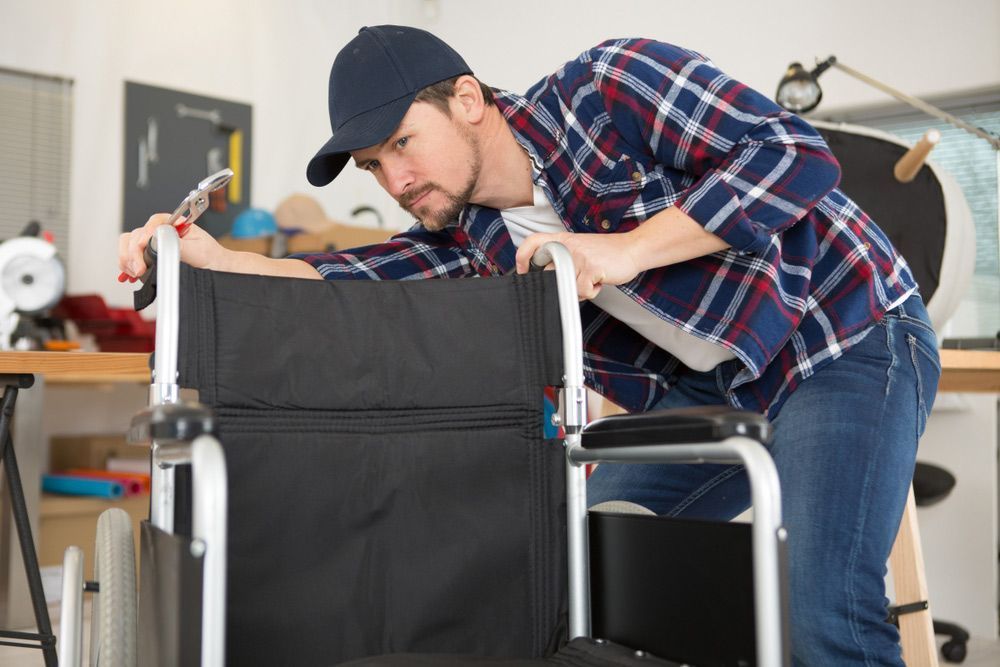
Even a well-handled chair can take a knock at the airport or in the car boot, and a small repair kit can keep you moving until you reach a repairer. A basic kit includes:
- Allen keys and a small adjustable spanner
- a spare tube, patch kit and pump if your chair uses pneumatic tyres
- cable ties and tape
- any small spare parts specific to your chair.
Pack tools in your checked luggage rather than your carry-on. Keep our contact details and your chair's build information handy, so that if something goes wrong while you are away, we can help you or a local repairer work out the problem by phone or email.
Arriving, Baggage Claim and What to Do if There's Damage
When you land, ask the cabin crew whether your wheelchair will be brought to the aircraft door or sent to baggage claim. As soon as you have your chair back, check it carefully:
- the frame, wheels, axles, footplates and brakes
- any power assist components and the battery housing
- its condition compared with the photos you took before the flight.
If you find damage, report it to the airline before you leave the airport. Get a reference number and take photos. If you come home to Sydney with a damaged wheelchair, contact us. We provide repairs and servicing, and we offer pickup and delivery for repairs across the Sydney metro area.
How Mogo Wheelchairs Can Help You Prepare
Mogo Wheelchairs is a family-owned Sydney business that has specialised in lightweight and custom wheelchairs and wheelchair accessories in Sydney since 1980. Before your trip, we can:
- check that your current setup is ready for travel
- advise on wheels and tyres
- review your cushion and backrest for long days
- advise on power assist products with travel certified batteries
- show you quick-release mechanisms, the Roark travel commode and packing tips.
Visit our Bankstown showroom or call us on 02 9708 5255 to talk through your plans. Whether it's your first trip with a wheelchair or your twentieth, you don't have to plan it alone.
Frequently Asked Questions
Do I need to tell the airline the exact dimensions of my wheelchair?
Yes, it's a good idea. Airlines often need to know your chair's size and weight, including any battery-powered aid, to plan where it will be stowed. What fits on one aircraft may not fit on another, so measure your chair at home, keep the figures with you and share them when you book. Confirm the specific requirements with your airline.
Can I stay in my own wheelchair inside the aircraft cabin?
On most commercial flights, you will transfer to an aircraft seat and your own wheelchair will travel in the hold. If you can't walk to your seat, airlines generally use an aisle chair for boarding. Ask about boarding assistance and accessible toilets when you book.
How do I travel with spare wheelchair parts and tools?
Pack tools and sharp items in your checked luggage, and keep your kit compact and organised so it is easy to inspect. Security rules can differ between airports and countries, so check before you fly and take only what you need for basic adjustments and puncture repairs.
Is a travel commode worth taking on shorter trips?
For many people, a compact travel commode makes even a weekend away easier when the bathroom setup isn't guaranteed. Weigh up how important a predictable setup is to your routine against your luggage space. We can show you the Roark travel commode so you can decide whether it suits the way you travel.
When should I start planning wheelchair accessories for an overseas trip?
Start several weeks before you leave. That gives you time to talk to your airline, sort out any battery approvals, and fit and test new accessories on local outings before you go. To get your setup ready, call Mogo Wheelchairs on 02 9708 5255 and we'll help you put together a sensible checklist.