If you are happy in your manual wheelchair but hills, ramps or long distances are wearing you down, a power assist device could make a real difference. These electric add-ons work with the chair you already use, taking the strain out of everyday pushing while you keep the control and manoeuvrability of a manual chair. Mogo Wheelchairs has been supporting Sydney wheelchair users since 1980, and in this guide we explain what power assist devices are, who they suit and how to trial one before you decide.
Key Takeaways
- A power assist device is an electric add-on for a manual wheelchair. It reduces pushing effort on slopes, ramps, rough ground and longer distances.
- At Mogo Wheelchairs, we supply Batec, SMOOV, E-Fix and E-Motion power assist products that can be added to a manual wheelchair. Our power assist products have travel certified batteries.
- Power assist suits people who like their manual chair but find that effort, fatigue or terrain is limiting where they can go. That includes active users, carers and people whose endurance has changed.
- Every setup needs to match the user's body and chair, so we always recommend a trial at our Bankstown showroom before committing.
- To talk through your options, call 02 9708 5255 or explore the power assist wheelchair products we supply.
What Is a Power Assist Device and How Does It Work
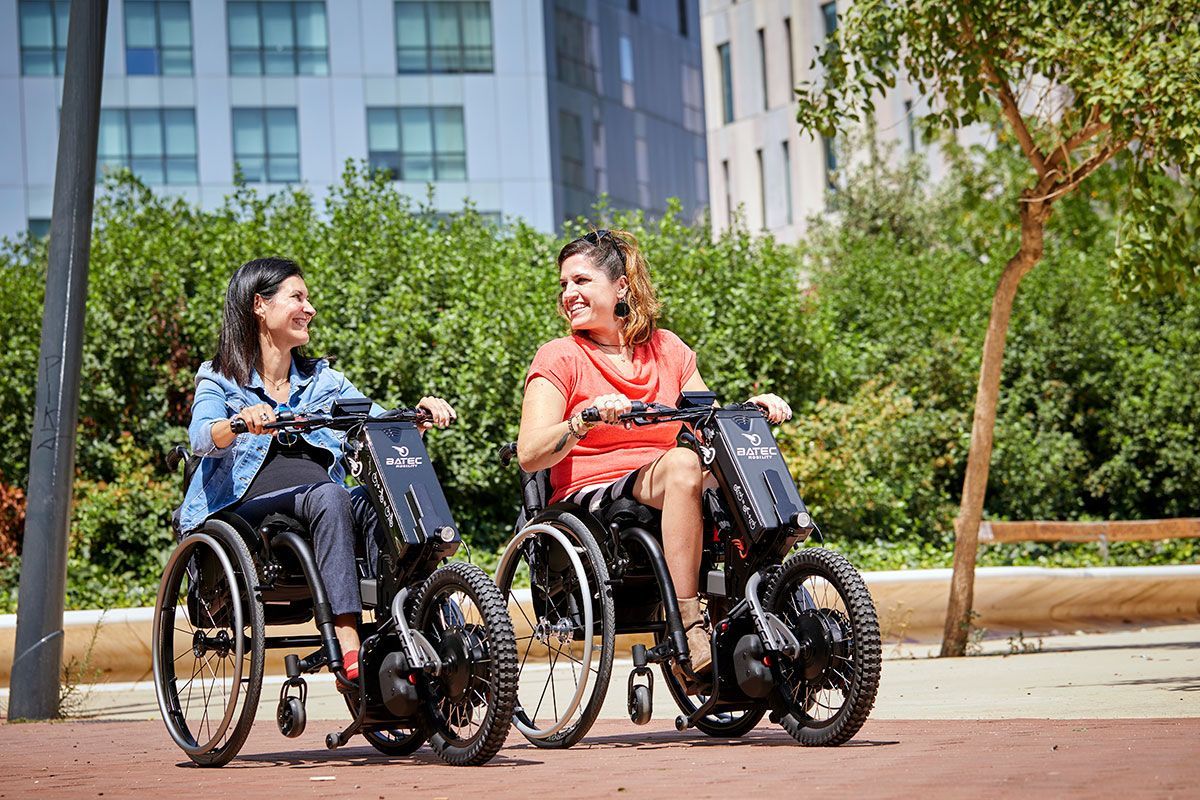
A power assist device is a battery-powered unit that works with a manual wheelchair rather than replacing it. Its job is to reduce the physical effort of pushing while you stay in control of steering and direction. That is why many people choose power assist over moving to a full power wheelchair.
How the systems work
Most power assist setups share the same basic parts:
- a rechargeable battery
- a motor, either in a drive unit or built into powered wheels
- a control, which varies from system to system
- mounting hardware fitted to your wheelchair frame so the system can be attached and removed.
Some systems attach to the front or rear of the chair, while others work through the wheels themselves. Many can be detached when you don't need them, so the chair still works as a standard manual wheelchair at home or when it goes into a car boot.
Systems we work with at Mogo Wheelchairs
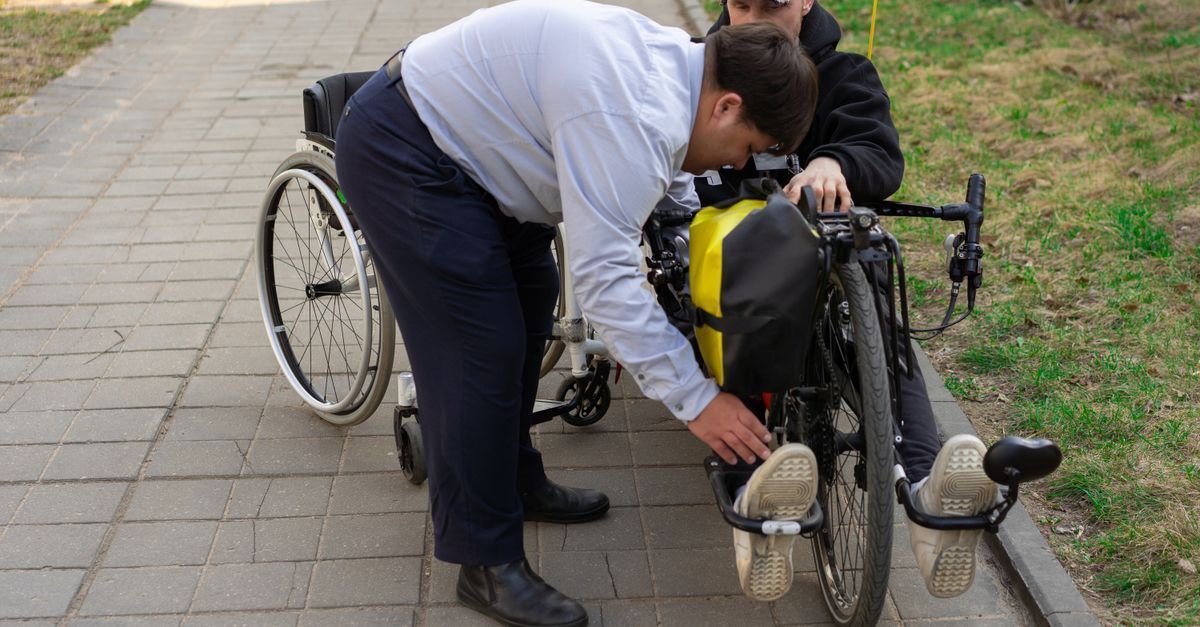
- Batec. This is an attachable propulsion system that turns a manual wheelchair into a powered handbike-style setup. It allows a great deal of all-terrain exploration, which suits people who love getting outdoors.
- SMOOV. The SMOOV One is a sleek electric power assist unit that attaches to active wheelchairs, giving users more freedom and flexibility in their day.
- E-Fix. This is a compact, individually programmed power assist for manual wheelchairs. It is easy to dismantle and suits people who need help with gradients and slopes.
- E-Motion. These are power assist wheels that give electric support to a manual wheelchair while keeping the feel of pushing your own chair.
Each system handles, turns and transports differently. That is why we recommend trying them in person rather than choosing from a brochure.
Travel certified batteries
Our power assist products have travel certified batteries, which helps when you're planning flights. Every airline and transport operator sets its own rules for battery-powered mobility aids, so always confirm their requirements well before you travel.
Where power assist makes the most difference
Power assist helps most where pushing takes the most effort:
- ramps at train stations and bus interchanges
- long, sloping shopping centre car parks
- hilly streets in suburbs across Sydney's north, west and inner west
- long corridors at hospitals and university campuses
- grass, gravel and uneven paths in local parks.
Who Power Assist Devices Suit (And When They Help Most)
Power assist devices suit anyone whose effort, fatigue or comfort is limiting how they use a manual wheelchair. You don't need to be covering long distances every day. A single steep driveway or a stretch of uneven footpath on the way to the shops can be enough to make power assist worthwhile.
Key user groups
- Active manual wheelchair users. They are happy in a lightweight manual chair but find Sydney's hills, ramps and rough footpaths tiring.
- People who want to reduce strain on their shoulders and arms. They want to stay in a manual chair while making long or steep pushes easier. If you are experiencing pain, talk to your occupational therapist or health professional.
- Older wheelchair users. They want to keep getting around independently but find longer pushes and slopes harder than they used to.
- Newer wheelchair users. They like the manoeuvrability of a manual chair but appreciate back-up power on tired days.
Everyday scenarios
- getting to work or study and back
- doing the school run across footpaths and car parks
- shopping at local centres with ramps and long distances
- visiting family who live on steep streets.
Carers and family
Power assist can help carers too. With the right system, a partner or parent can manage slopes more comfortably without straining their own back or shoulders, and the user may be able to do more independently.
Suitability considerations
When a therapist assesses whether power assist suits someone, they will usually consider:
- the user's strength and hand function, and which type of control suits them
- balance, seating and posture, because adding a motor and battery changes how the chair behaves
- the wheelchair frame, wheel setup and whether it is compatible with a particular system
- the weight limits of each system.
We work with users, therapists and families to decide whether power assist is the right step, rather than pushing one solution. If you are still weighing up a full power chair against a manual chair, read the difference between manual and powered wheelchairs.
Choosing and Trialling Power Assist with Mogo Wheelchairs
Choosing a power assist device is a practical process that looks at your routine, environment, transport and funding as well as the technical specifications.
How we guide you through the decision
- Initial conversation. We start by phone, email or in person, talking about your daily routine, where you travel and what you find hardest in your current chair.
- Matching the system to your needs. We discuss which of Batec, SMOOV, E-Fix or E-Motion is likely to suit how and where you move.
- Transport and storage. We look at how you get around beyond the chair itself, such as car boots, lifts and public transport, because some systems are simpler to remove and pack than others.
Trials at our Bankstown showroom
Bring your own chair so we can check fit and compatibility. A trial lets you feel how each system starts, stops and turns, and shows you how easily it attaches and detaches. That hands-on experience tells you far more than a specification sheet.
Funding and paperwork
Mogo Wheelchairs is a registered NDIS provider (provider number #4050002020). We can help with quotes and documentation and coordinate with your occupational therapist. If you are not an NDIS participant, other options may be available, including state-based equipment programs such as EnableNSW, DVA funding, private health insurance rebates, and self-funding with payment plan options.
Setup and ongoing support
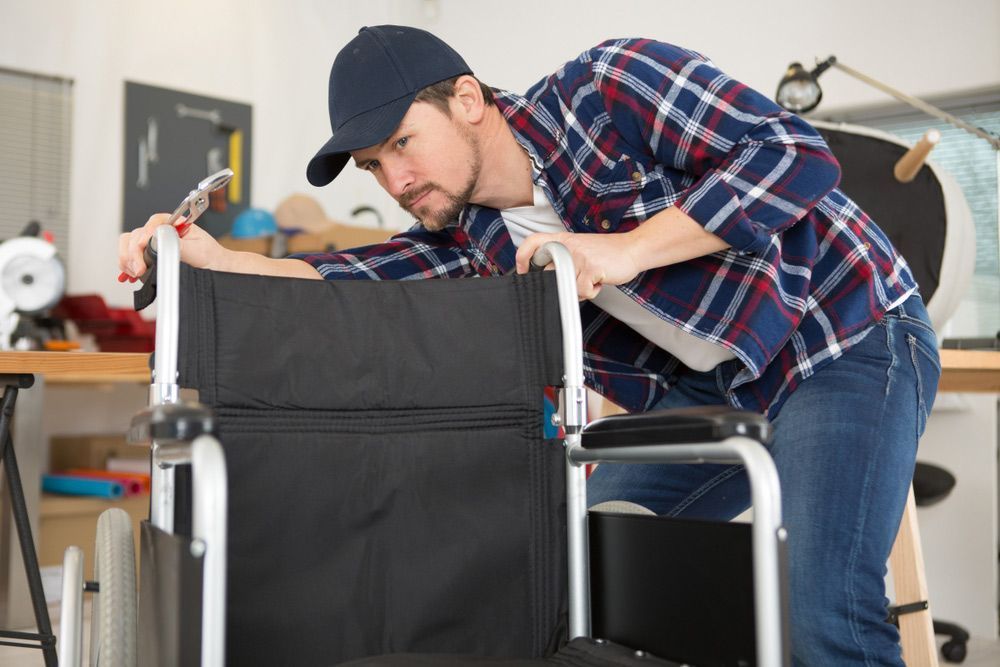
Once you have chosen a system, we fit and adjust it to you and your chair, walk you through using it day to day, and provide servicing and repairs through our workshop. For terrain-specific tips, see our post on whether custom wheelchairs can handle different terrains.
The best next step is to come and try power assist for yourself. Call us on 02 9708 5255 or visit our Bankstown showroom, and bring your therapist or a family member if you like.
Frequently Asked Questions
Can I still use my manual wheelchair without the power assist attached?
In most cases, yes. Batec, SMOOV, E-Fix and E-Motion are designed to work with a manual wheelchair, so with many setups you can use the chair as a standard manual chair when you prefer. How quick the changeover is depends on the system, and we demonstrate it during a showroom trial.
Are power assist devices suitable for indoor use at home?
Some systems suit indoor use better than others. When we recommend a system, we look at your room sizes, turning space, flooring and thresholds at home. Many users push manually indoors and use power assist for community outings, where the terrain asks more of them.
Do I need a therapist involved to get a power assist device?
For NDIS participants and other funded clients, an occupational therapist is usually involved to assess safety, goals and suitability. If you have one, we can speak with them directly. Private buyers can still benefit from professional input, especially if their strength or balance has changed.
What happens if I change my manual wheelchair later?
Some power assist systems can be moved to a new chair with new mounting hardware or adjustments, while others are more closely matched to a particular frame. Mention any plans for a new chair at the start, so we can recommend a system that suits your longer-term needs where possible.
Can I travel by plane with a power assist device?
Our power assist products have travel certified batteries, which makes flying easier to plan. Each airline still has its own policies on battery-powered mobility aids, so contact them well before your trip and keep the product documentation handy. If you need technical details for your booking, call Mogo Wheelchairs on 02 9708 5255 and we can help.